
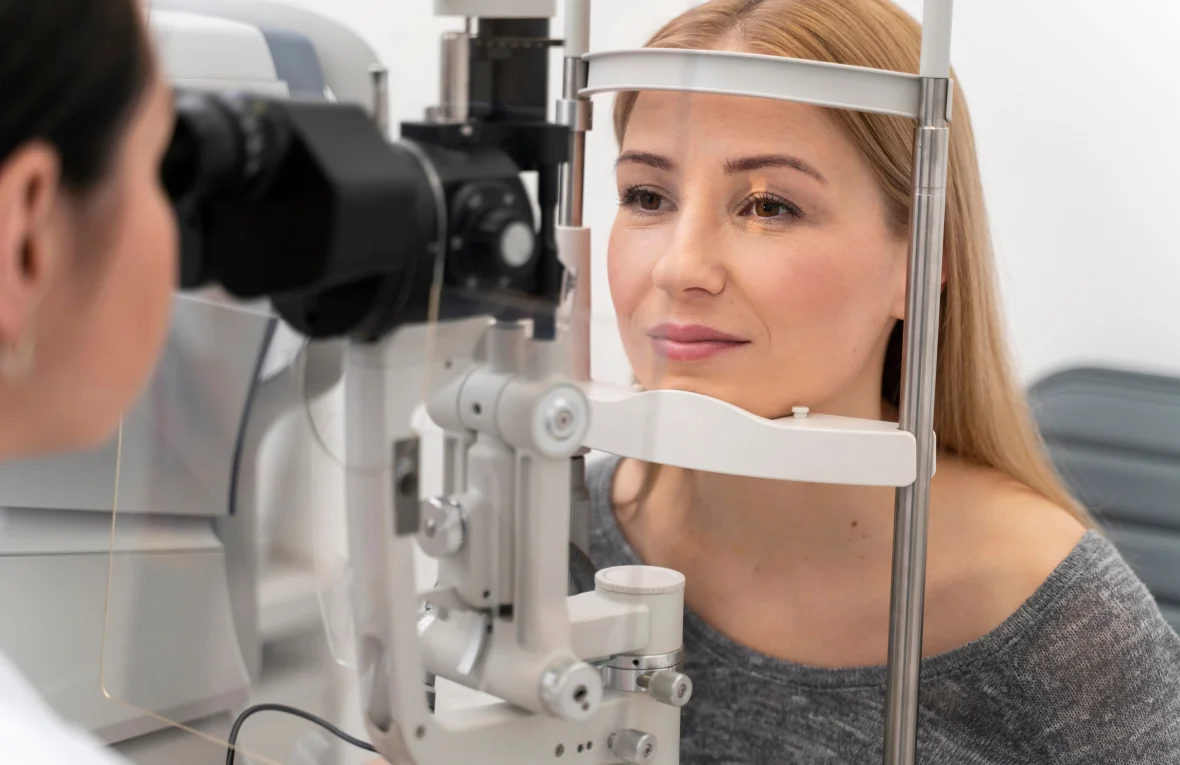
About Comprehensive Eye Exams
Our comprehensive eye exams go beyond checking your vision. We assess the overall health of your eyes, screening for conditions such as glaucoma, cataracts, and macular degeneration. With advanced diagnostic tools, we ensure early detection and personalized care to keep your vision clear and your eyes healthy.
Frequently Asked Questions
1. How often should I have a comprehensive eye exam?
Adults with healthy eyes should generally have an exam every one to two years. Those with risk factors such as diabetes, high blood pressure, or a family history of eye disease may need more frequent evaluations as recommended by the ophthalmologist.
2. What is the difference between a vision screening and a comprehensive eye exam?
A vision screening (like those done at schools or optical shops) checks only basic visual clarity. A comprehensive eye exam, performed by an ophthalmologist, assesses both vision and eye health in depth, detecting diseases that can cause vision loss if left untreated.
3. What tests are included in a comprehensive eye exam?
The exam may include visual acuity testing, refraction to determine your prescription, eye pressure measurement, slit-lamp examination, pupil testing, retinal evaluation, and sometimes imaging such as OCT or fundus photography.
4. Will my eyes be dilated during the exam?
In many cases, yes. Dilation allows the ophthalmologist to examine the retina and optic nerve more thoroughly. While it causes temporary light sensitivity and blurred near vision, it provides essential information for accurate diagnosis.
5.How long does the exam take?
A typical comprehensive eye exam lasts between 30 and 45 minutes, depending on whether dilation or additional imaging tests are required.