
About PRK
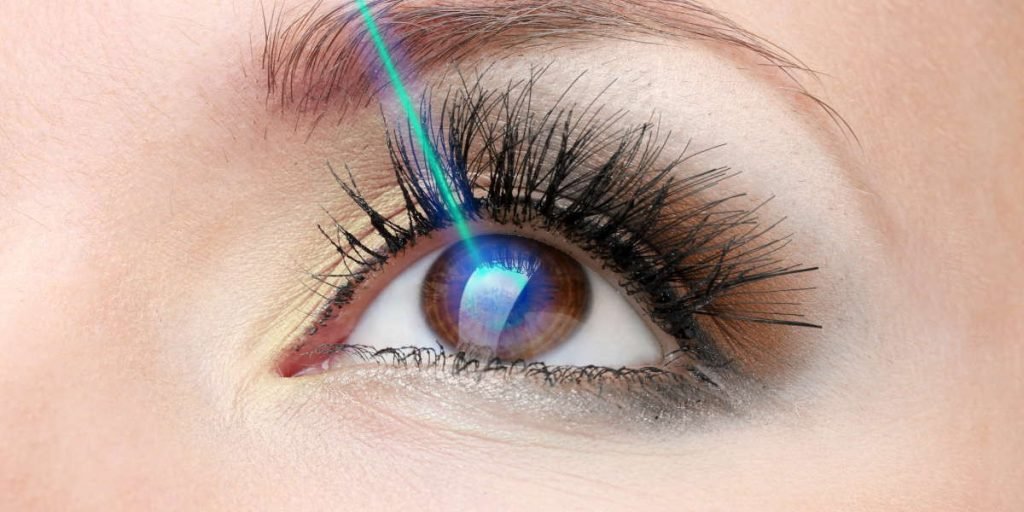
PRK is a cut-free procedure that eliminates the flap-related risks of LASIK, ensuring your cornea remains structurally stronger and more stable. Unlike LASIK, PRK does not involve creating a corneal flap, which makes it ideal for individuals with thinner corneas, dry eyes, or those with active lifestyles and contact sports. During the procedure, the outer layer of the cornea (epithelium) is gently removed, and an excimer laser is used to reshape the underlying tissue, allowing light to focus properly on the retina. The epithelium naturally regenerates over a few days, and once healing is complete, the visual outcomes are just as clear and stable as with LASIK.
Frequently Asked Questions
1. How is PRK different from LASIK?
PRK reshapes the cornea without creating a flap. This approach preserves more corneal tissue, making it ideal for patients with thinner corneas or those at higher risk of eye trauma.
2. Is recovery longer than with LASIK?
Yes. PRK recovery takes a bit longer since the corneal surface must heal naturally. Most patients experience improved vision within one to two weeks and full stabilization in a few months.
3. Is the procedure painful?
The procedure itself is painless thanks to numbing eye drops. Some mild discomfort or light sensitivity can occur during healing but is managed with drops and protective contact lenses.
4. How long does the PRK procedure take?
Each eye typically takes less than 10 minutes of laser time. Including preparation and recovery, the total visit lasts around one hour
5. Are PRK results permanent?
Yes. Once healed, PRK provides long-term vision correction. Future vision changes are usually due to natural aging, not the procedure itself.